
Automatic emergency braking, often called AEB, is becoming one of the most important safety technologies in modern commercial trucking. The basic idea is simple: if a heavy truck is approaching another vehicle too quickly and the driver does not react in time, the system can warn the driver and may apply the brakes automatically. In rear-end truck crashes, that technology can become a major part of the investigation.
This matters because rear-end collisions involving commercial trucks can cause severe injuries, major property damage, and complicated questions about fault. A fully loaded tractor-trailer needs far more stopping distance than a passenger vehicle. When traffic slows suddenly, every second matters. AEB may reduce impact speed, help prevent a collision, or create digital clues about what happened before the crash.
This guide explains how automatic emergency braking in heavy trucks may affect rear-end crash claims, what evidence may be reviewed, and why the presence of safety technology does not automatically answer every liability question. This article is for general information only and should not be treated as legal advice.
You may also want to read our related guides on truck accident digital evidence, truck accident investigations, and truck driver negligence.
How Automatic Emergency Braking Works in Heavy Trucks
AEB systems use sensors to monitor traffic ahead of the truck. Depending on the system, this may include radar, cameras, software, forward collision warning, and braking support. If the system detects a crash-imminent situation, it may alert the driver. If the driver does not brake quickly enough, the system may apply the brakes or add more braking force.
NHTSA and FMCSA have explained that AEB systems use multiple sensor technologies to detect when a vehicle is in a crash-imminent situation and automatically apply the brakes if the driver has not done so. Their proposed heavy-vehicle standard focuses on vehicles with a gross vehicle weight rating over 10,000 pounds and is intended to reduce the frequency and severity of rear-end crashes. For official background, visit the NHTSA heavy vehicle AEB proposed rule announcement.
For crash investigations, the important point is not just whether the truck had AEB. Investigators may need to know whether the system was installed, activated, properly maintained, updated, functioning, disabled, ignored, or triggered before the crash.
Why Rear-End Truck Crashes Are a Major AEB Focus
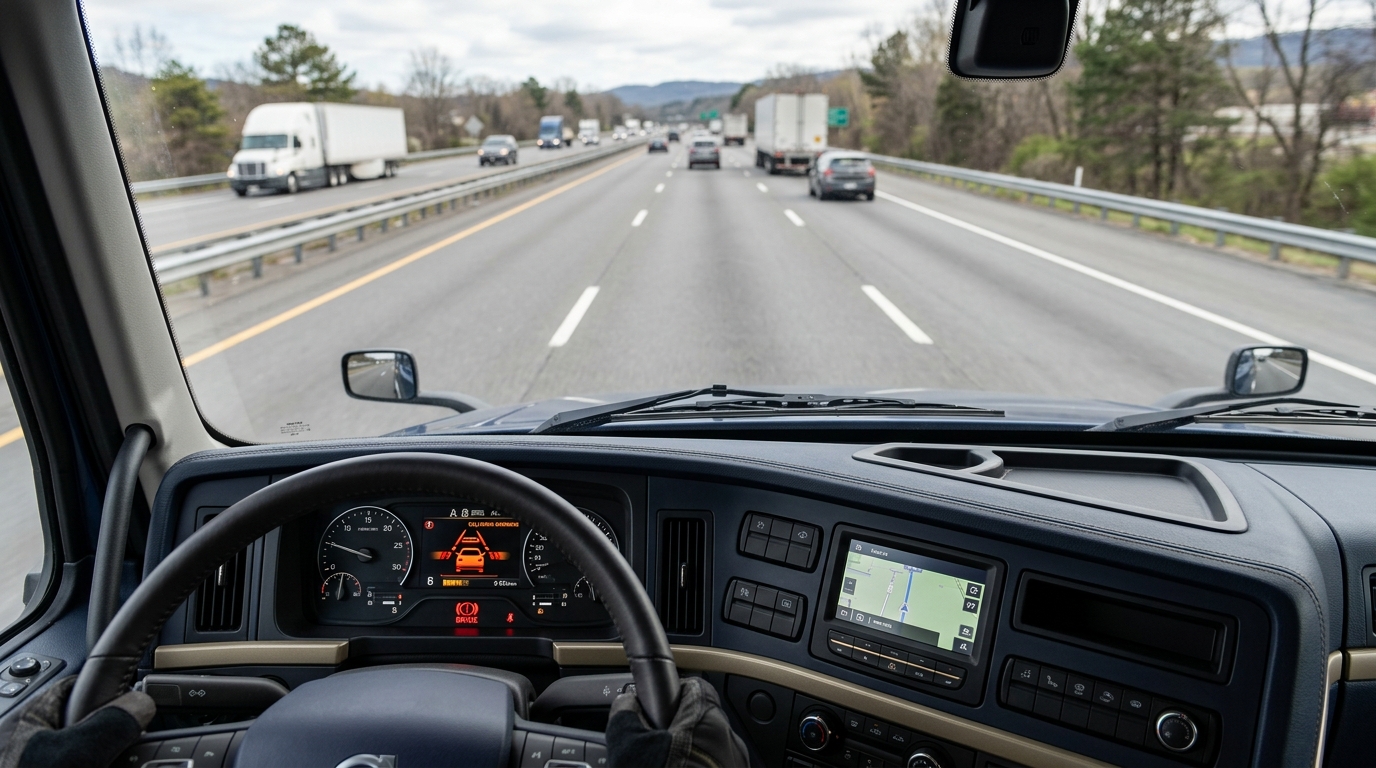
Rear-end crashes are one of the clearest use cases for AEB. These crashes often happen when traffic slows, stops, or backs up and the truck driver fails to react in time. The delay may come from distraction, fatigue, speeding, following too closely, poor weather, poor visibility, or a mechanical problem.
In a passenger vehicle crash, a small delay can still cause harm. In a heavy truck crash, that same delay can be catastrophic. A commercial truck carries more mass, needs more braking distance, and can strike smaller vehicles with extreme force. Even if AEB does not fully prevent a crash, reducing speed before impact may reduce the severity of injuries and damage.
That is why AEB evidence can become relevant. If the truck had the system, investigators may ask whether it detected the vehicle ahead. If it did, they may ask whether it warned the driver, when braking began, how fast the truck was moving, and whether the driver responded appropriately.
AEB Is Not a Replacement for Safe Driving
AEB is a safety tool, not permission to drive carelessly. A truck driver still has to watch the road, keep a safe following distance, manage speed, avoid distraction, and adjust to traffic and weather. A trucking company still has to maintain vehicles, train drivers, and enforce safety policies.
If a truck rear-ends another vehicle, the presence of AEB does not automatically clear the driver or company. It may actually raise more questions. Was the truck following too closely for the system to react effectively? Was the driver relying too heavily on technology? Did the company know of repeated alerts or harsh braking events before the crash?
Evidence That May Be Reviewed After an AEB-Related Truck Crash
After a rear-end collision involving a heavy truck, investigators may review several categories of evidence. AEB data is only one part of the larger picture. The strongest analysis usually compares system data with driver logs, dash cam footage, engine data, GPS records, police reports, witness statements, and physical evidence from the crash scene.
Useful evidence may include:
- AEB event records or forward collision warning alerts
- Dash cam footage from the truck or nearby vehicles
- Electronic logging device data
- GPS and fleet telematics data
- Speed, braking, and throttle information
- Maintenance records for sensors, brakes, and tires
- Driver training records
- Company safety policies
- Prior warning events or harsh braking history
- Roadway, weather, and traffic conditions
These records may help explain whether the truck driver had enough time and distance to stop. They may also show whether the truck was traveling too fast, whether the driver braked late, or whether the system responded but could not overcome unsafe driving conditions.
Sensor and Maintenance Records May Matter
AEB systems depend on sensors, cameras, radar, software, and braking components. If sensors are dirty, misaligned, damaged, blocked, or poorly maintained, the system may not perform as expected. If the truck’s brakes, tires, or electronic stability systems are not properly maintained, automatic braking may also be less effective.
This is why maintenance records can become important. A rear-end truck crash investigation may look beyond the driver and ask whether the carrier inspected the vehicle properly, repaired known problems, updated system software, and responded to prior warning lights or service alerts.
What AEB May Mean for Liability Questions
Automatic emergency braking may influence liability questions, but it does not decide the case by itself. In a rear-end truck crash, the central question is usually why the crash happened and whether it could have been prevented with reasonable care.
If the AEB system activated but the crash still happened, investigators may ask whether the driver was speeding, distracted, fatigued, following too closely, or driving too fast for conditions. If the system did not activate, they may ask whether the system was working, whether the hazard was detectable, whether the system had limitations, or whether the truck had maintenance problems.
Technology can also point to company-level issues. A trucking company may have access to telematics showing repeated hard braking, close-following alerts, speeding events, or unsafe driver habits. If the company ignored those warnings, the issue may go beyond one crash and into training, supervision, and safety management.
AEB Data Should Be Preserved Quickly
Digital truck evidence can disappear. Some systems overwrite data. Some camera clips are saved only for a short time. Fleet platforms store alerts in cloud-based dashboards that may not remain available forever. Because of this, AEB-related evidence should be identified and preserved as early as possible after a serious crash.
Important preservation targets may include AEB event data, forward collision warning alerts, dash cam footage, driver logs, GPS records, maintenance files, inspection reports, and communication between the driver and dispatch. Without early preservation, a key part of the timeline may be lost.
What Readers Should Take Away From Heavy Truck AEB Technology
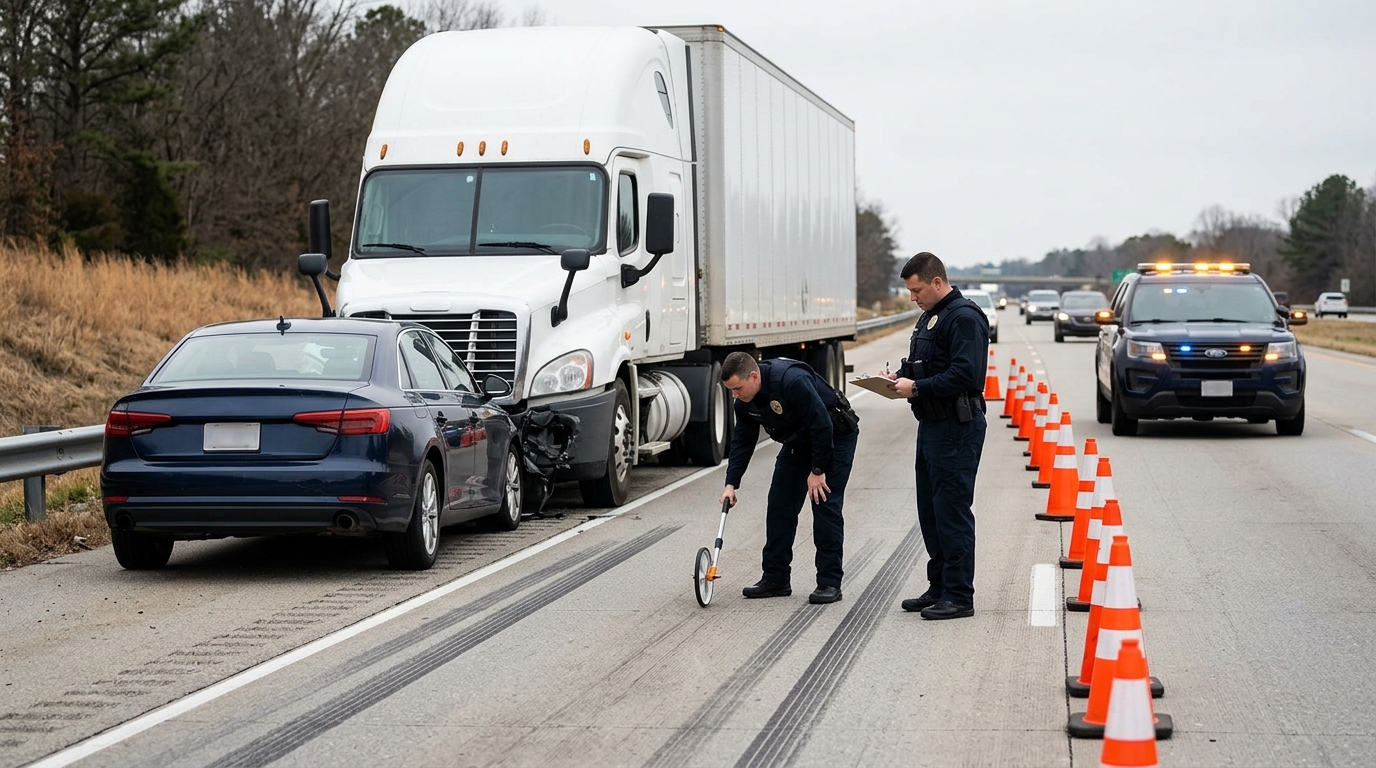
Automatic emergency braking is a major development in truck safety, especially for rear-end crash prevention. It may help reduce crash severity, reveal driver behavior, and provide useful evidence after a collision. However, it should not be treated as a magic solution. AEB has limits, and the safest results still depend on trained drivers, properly maintained trucks, responsible companies, and realistic schedules.
For people researching rear-end truck accidents, the key takeaway is that AEB changes the evidence conversation. Investigators may no longer focus only on impact damage and witness statements. They may also review alerts, sensor data, braking timelines, dash cam footage, software records, and maintenance history.
Helpful Questions After a Rear-End Truck Crash
If you are trying to understand how AEB may relate to a truck crash, these questions may help frame the issue:
- Did the truck have automatic emergency braking?
- Was the system active at the time of the crash?
- Did the system issue a forward collision warning?
- Did the driver brake before impact?
- Was the truck following too closely?
- Were there prior system warnings or maintenance issues?
- Was dash cam or telematics data preserved?
- Did the company train the driver on AEB limitations?
These questions can help readers understand why rear-end truck accident claims often require detailed investigation. The issue is not only whether a truck struck another vehicle. The deeper question is whether the crash resulted from preventable driving behavior, ignored safety warnings, poor maintenance, weak training, or company pressure.
To continue learning, visit our guides on ELDs, dash cams, and black box data, brake failure in truck accidents, and truck accident resources.
Disclaimer: This article provides general educational information for blog readers. It is not legal advice and does not create an attorney-client relationship. Laws, evidence rules, and claim procedures vary by location.