
Electronic logging devices help track how long commercial truck drivers work and drive. These records can become important after a serious truck crash. They may show whether a driver followed federal hours-of-service rules or stayed behind the wheel for too long.
On August 6, 2026, the Federal Motor Carrier Safety Administration removed five electronic logging devices from its list of registered ELDs. FMCSA found that the devices did not meet federal requirements.
The five devices are MOONLIGHT ELD, HGRS ELD, HIGHEST ELD, TRUCKFORD ELD, and Sparkle ELD. FMCSA told affected trucking companies to stop relying on these devices. Carriers must use paper logs or another approved logging method until they install a compliant device.
FMCSA gave affected carriers until October 6, 2026, to replace the revoked devices.
This action does not automatically prove that a truck driver broke safety rules. It also does not prove that fatigue caused a crash. However, a revoked device can raise questions about the accuracy of driving records. Investigators may need to compare those records with other evidence.
For more background, read our guide about ELDs, dash cams, and black box data after a truck accident.
What the August 2026 FMCSA ELD Removal Means
Federal rules limit how many hours many commercial drivers can spend driving and working. These limits help reduce the risk of fatigue-related crashes.
ELDs help record this information. Most devices connect with the truck’s engine. They can track driving time, vehicle movement, duty status, and other details.
FMCSA requires ELD providers to meet specific technical standards. When a device fails to meet those standards, the agency may remove it from the registered-device list.
That happened to five ELDs in August 2026. FMCSA said the providers failed to meet the minimum requirements under federal regulations.
Carriers using these devices now have a transition period. During that time, drivers may use paper logs or compliant logging software. However, carriers must replace the revoked devices before the federal deadline.
Why ELD Reliability Matters After a Truck Crash
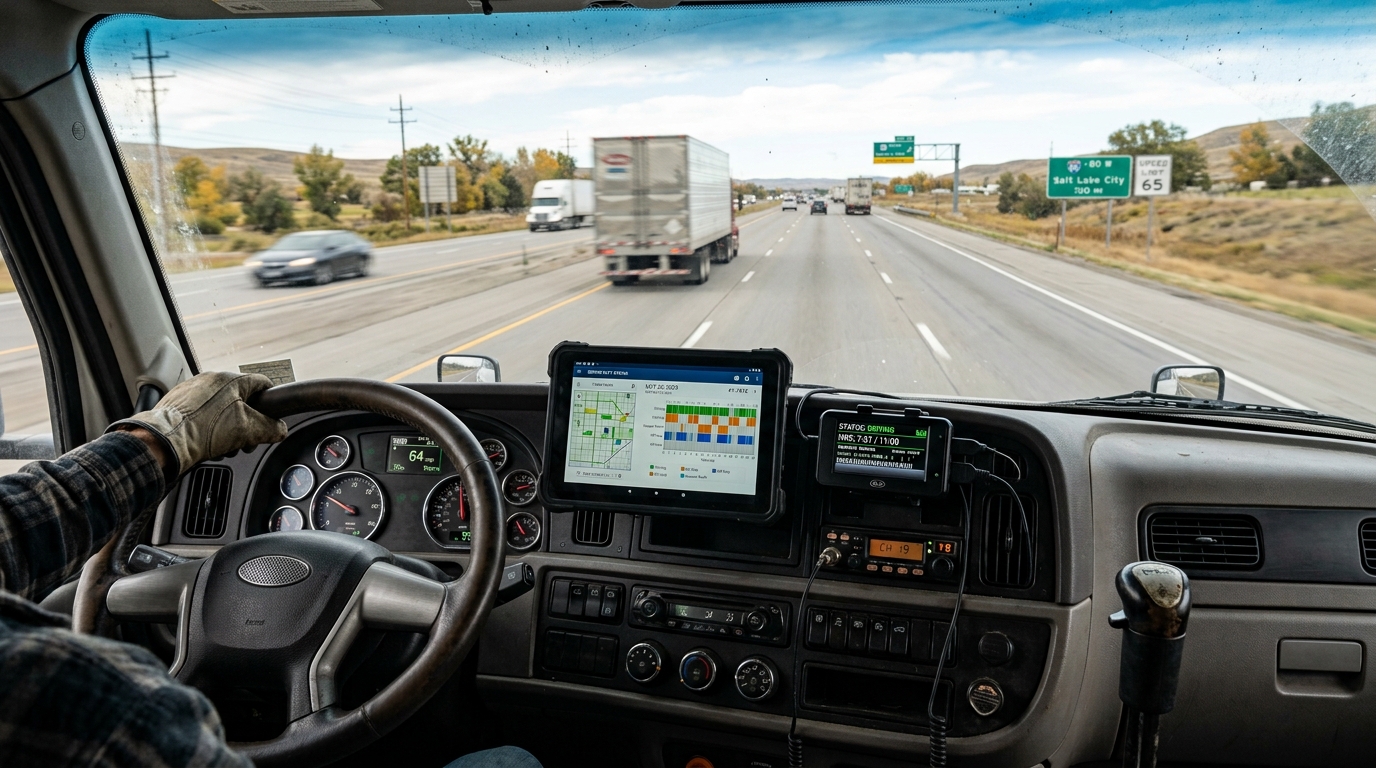
Driver hours can become a major issue after certain truck crashes. Examples include rear-end collisions, lane-departure accidents, rollovers, and crashes that happen late at night or early in the morning.
Fatigue can slow reaction time. It can also reduce attention and affect decision-making. For that reason, investigators often review how long a driver worked before a crash.
An ELD may show when the truck moved and when the driver reported being on duty. It can also show rest periods and driving breaks.
However, investigators should not rely on the ELD alone. They may compare the log with GPS records, fuel receipts, toll data, delivery records, dispatch messages, and dash camera footage.
These records can help confirm the driver’s timeline. They can also reveal conflicts.
For example, an ELD may show that a driver was off duty at 2:00 a.m. However, GPS data may show that the truck was moving at that same time. That difference may require a closer review.
Our article on truck driver fatigue and hours-of-service rules explains how federal driving limits may affect accident investigations.
The Five Devices Removed From the Registered List
FMCSA removed the following devices from its registered list:
- MOONLIGHT ELD
- HGRS ELD
- HIGHEST ELD
- TRUCKFORD ELD
- Sparkle ELD
The removal does not mean that every record from these devices is false. Instead, it means that the devices no longer meet the requirements for the federal registered list.
Investigators may still review older data from a revoked device. They should also compare it with other records from the truck and the carrier.
Several questions may become important. Which device did the truck use? When did the carrier install it? Did the carrier receive notice about the revocation? Did the driver make manual changes to the log? Do other records support the same timeline?
Answers to these questions may help explain whether the ELD records are reliable.
The October 6 Replacement Deadline
FMCSA gave affected carriers until October 6, 2026, to replace the five revoked devices.
Before that deadline, drivers may use paper logs or approved logging software. Safety officials may also review the information shown on the existing device during the transition period.
After October 6, carriers that continue using a revoked device may face enforcement problems. Drivers may receive citations if they do not use a compliant ELD when federal rules require one.
The official FMCSA announcement about the five revoked ELDs explains the federal deadline and transition rules.
How Revoked ELDs Can Affect a Truck Accident Investigation
A revoked ELD may become part of a truck accident investigation when driver hours are in dispute.
Still, investigators must look at the full crash. A revoked device does not prove negligence by itself. It also does not show why the collision happened.
Consider a tractor-trailer that rear-ends stopped traffic after several hours of overnight driving. The driver’s ELD may show a legal work schedule. Investigators could then compare that record with GPS history and dispatch records.
Fuel receipts can also help. So can toll records and delivery timestamps.
If those records show that the truck moved during an off-duty period, the difference may matter. If all records match, the ELD issue may have little connection to the crash.
Other causes may also play a role. A driver may have been speeding or following too closely. Distraction may have contributed to the crash. Bad brakes, poor maintenance, or unsafe cargo loading could also matter.
Modern commercial trucks may store other useful data. Some systems track braking, speed, steering, and collision warnings.
Read our guide about automatic emergency braking in heavy trucks to learn how those systems may affect rear-end truck crash investigations.
Hours-of-Service Records May Need a Closer Review
Investigators may examine ELD records more carefully when a truck used a revoked device.
They may first check whether the device connected correctly to the truck. Next, they may review any manual edits to the driver’s duty status.
The review may also look for missing time periods or mileage differences. Unexplained gaps can raise questions. So can changes made after the crash.
Dispatch records may add more context. A carrier may have pushed a driver to meet a tight delivery schedule. Messages may show when the driver received new instructions or route changes.
None of these facts proves fault on its own. Their value comes from how they fit together.
A strong investigation compares several sources. That process can help build a clear timeline of the driver’s trip before the collision.
Evidence to Review When an ELD Is Questioned

Truck crash evidence can disappear quickly. Some digital systems overwrite old data. Dash cameras may erase footage after a set period. Fleet platforms may also delete older GPS or telematics records.
For that reason, early evidence preservation can make a major difference.
When investigators question an ELD, they should review more than the electronic log. Other records may help confirm or challenge the driver’s reported hours.
Building a Timeline Beyond the Electronic Log
A truck accident investigation may include several types of evidence:
- ELD records and exported driving data
- Paper logs and backup records
- GPS and fleet tracking history
- Engine or event data
- Dash camera video
- Fuel receipts
- Toll and weigh-station records
- Bills of lading
- Delivery and pickup times
- Dispatch messages
- Driver training records
- Truck inspection records
- Maintenance records
- Police reports
- Crash scene photos
- Witness statements
Each source may show a different part of the trip.
GPS data may show where the truck traveled. Fuel receipts may show when the driver stopped. Dispatch messages can show delivery pressure or schedule changes.
Maintenance records may also matter. A crash that appears related to fatigue could have another cause, such as defective brakes or worn tires.
Investigators may also review the trucking company’s actions. A carrier often receives driver logs, safety alerts, and fleet data.
If the carrier knew about repeated violations and did nothing, that information may become important. It could relate to driver supervision, training, scheduling, or company safety practices.
Preserve the Carrier’s Digital and Paper Records Quickly
Early preservation can help protect key evidence after a serious truck crash.
Important records may include the original ELD files, device information, audit trails, driver edits, GPS records, and dispatch messages. Investigators may also request dash camera footage and maintenance records.
Any notice about the ELD revocation may also matter. It can show when the carrier learned about the problem and what steps the company took afterward.
Crash victims should also keep their own records. Save photographs, medical documents, repair estimates, towing bills, and insurance messages. Keep witness names and contact information as well.
Do not delete messages or change original photos if they may relate to the crash.
The August 2026 ELD removals show why investigators should not depend on one source of electronic evidence. ELD data can provide valuable information, but other records may help verify it.
When driver hours matter, the best approach is often to compare the ELD with GPS, dispatch, fuel, toll, and vehicle data. Together, those records may provide a clearer picture of what happened before the crash.
For more information about commercial truck crashes and evidence, visit our truck accident resources.
Disclaimer: This article provides general educational information only. It is not legal advice and does not create an attorney-client relationship. Laws, deadlines, and legal procedures may vary by case and location.